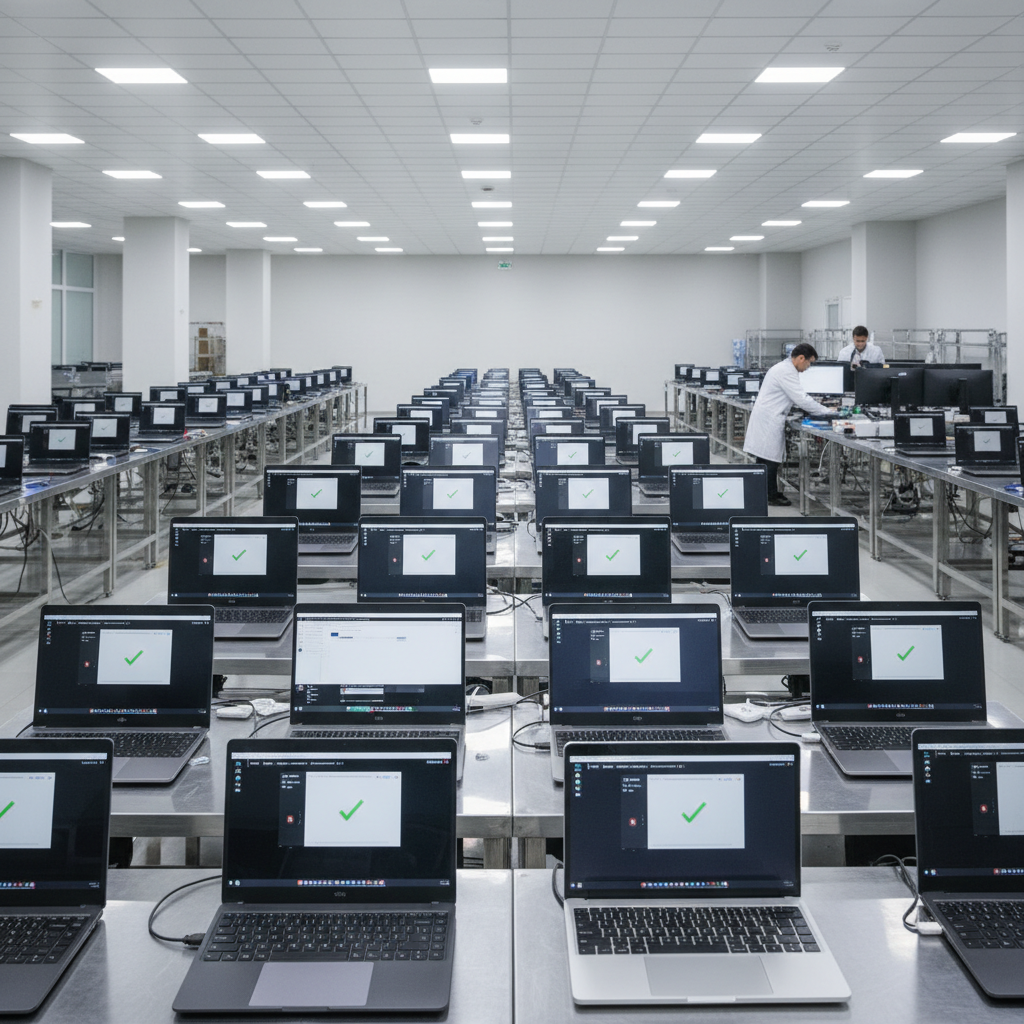
Your vehicle.
Our engineering.
Zero tolerance.
From prototype hypercars shipping to homologation labs to MRAPs crossing oceans in humidity-controlled holds — we engineer the crate before we cut the first board.
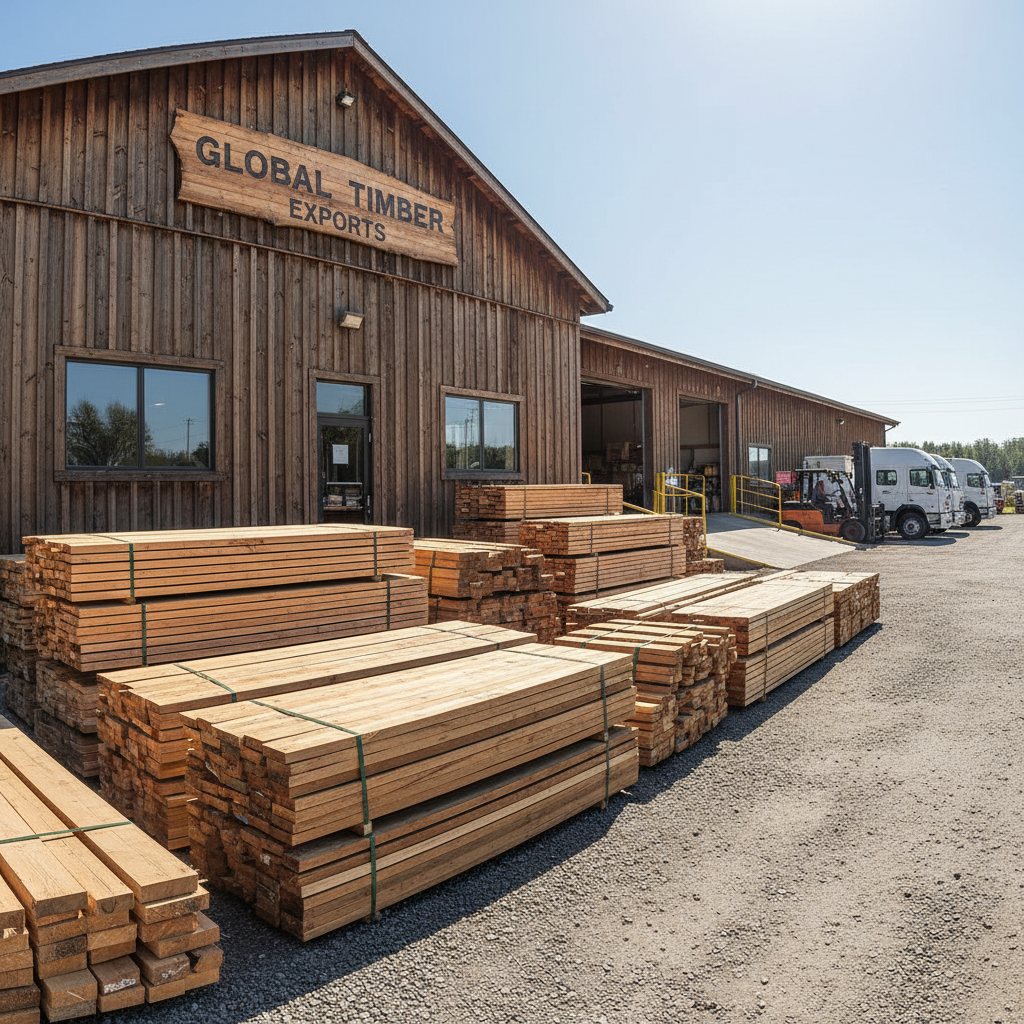
Open-Deck Skid
Baseline Protection. Zero Guesswork.
For short-haul, controlled-environment moves of production vehicles. CNC-routed HDPE saddles distribute load across frame rails — not bodywork. Ratchet-strap patterns are torque-spec'd, not approximated.
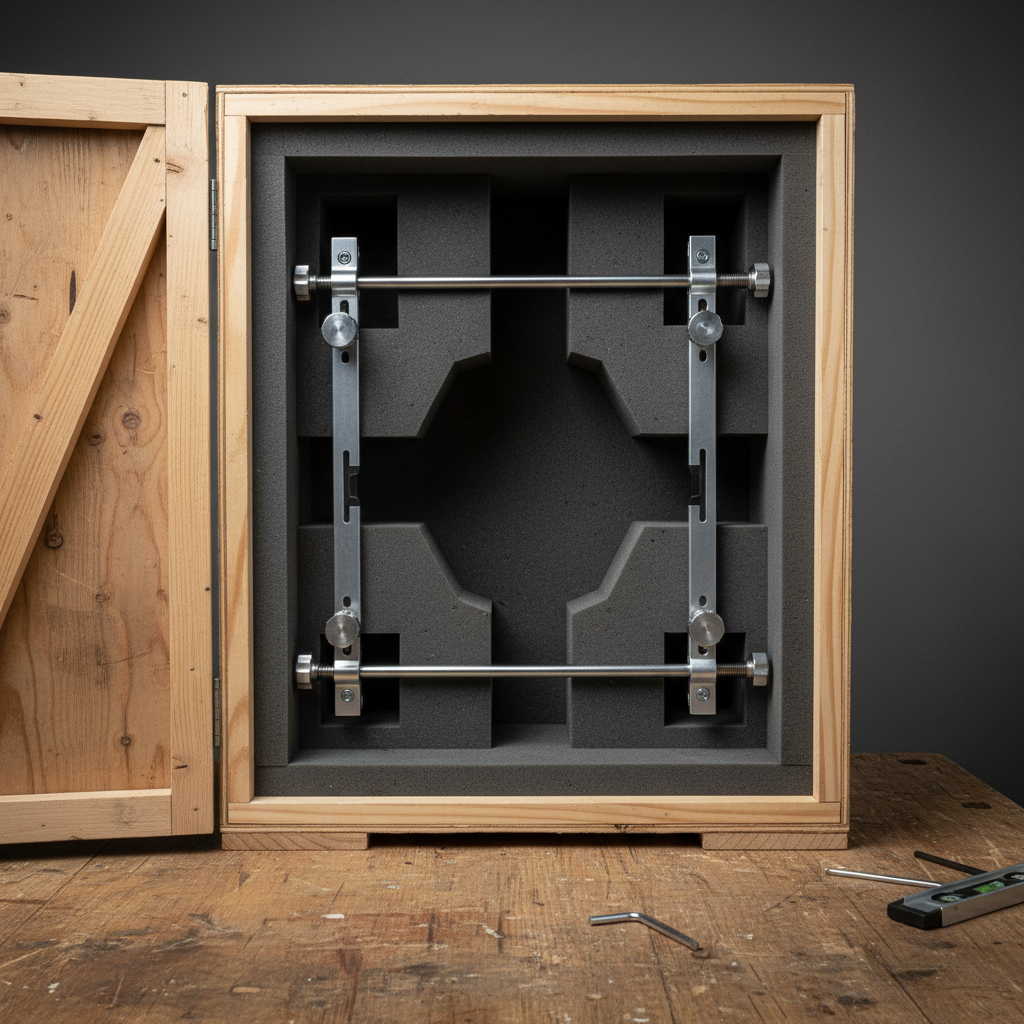
Enclosed Softwood Crate
Atmospheric Seal. Structural Containment.
Full enclosure with 2×6 softwood framing, OSB sheathing, and interior VCI paper lining. Vapor-corrosion-inhibitor film wraps every exposed metal surface. Humidity indicators visible through inspection ports — no guessing on arrival.
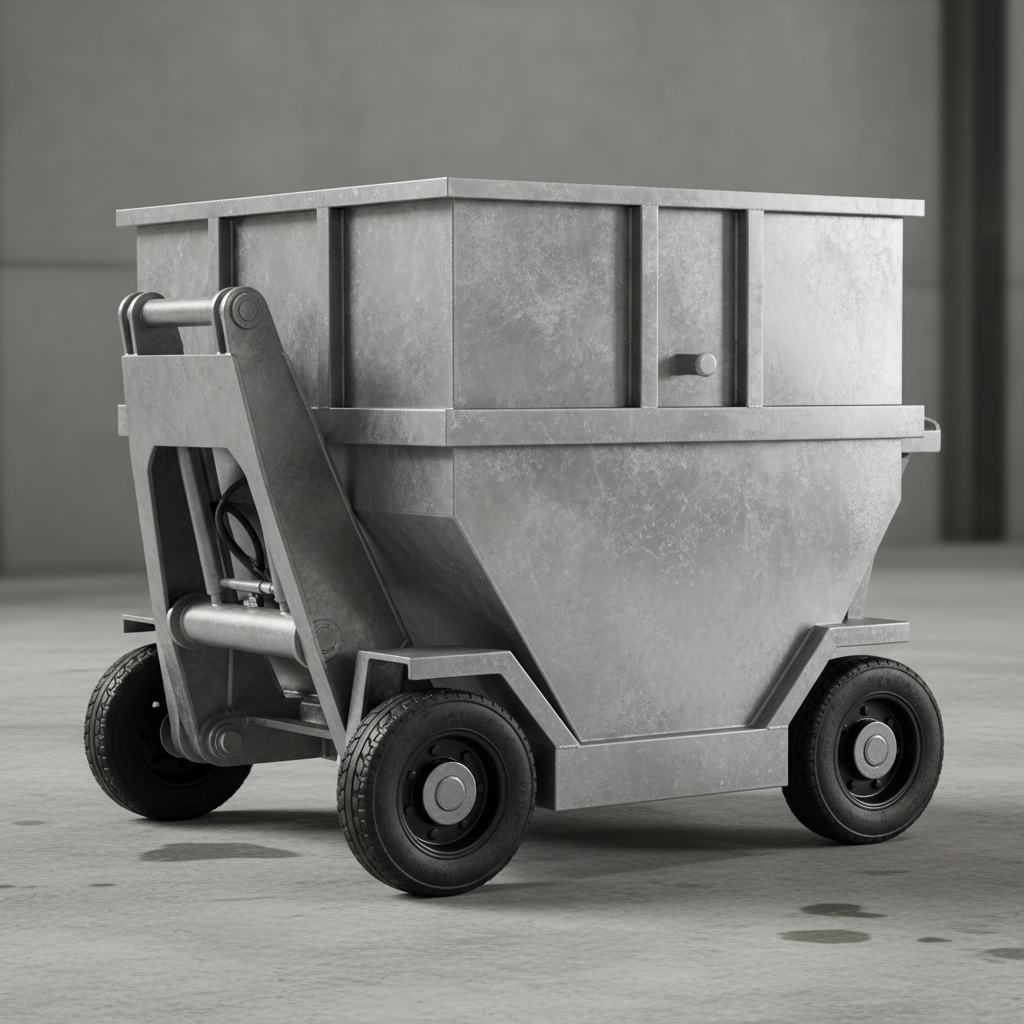
MIL-SPEC Barrier Container
Defense-Grade. Accelerometer-Verified.
Engineered to MIL-STD-2073 Method 41 with heat-sealed barrier bag, desiccant loading calculated per MIL-D-3464, and shock-indicator cards at all four quadrants. Crate undergoes pre-ship vibration survey per ASTM D4169. Accelerometer data delivered with shipment documentation.
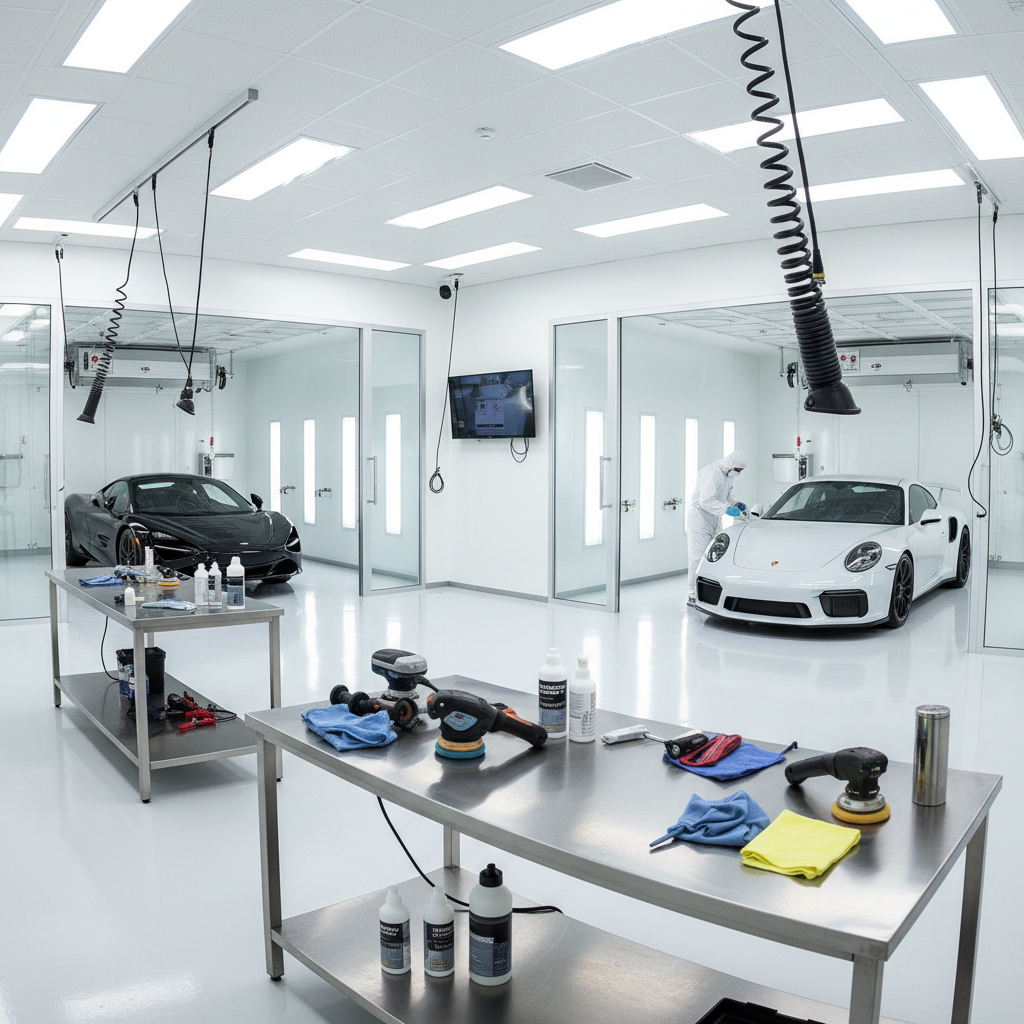
Climate-Controlled Vault Crate
Seven-Figure Vehicles. Absolute Certainty.
Reserved for concours entries, prototype hypercars, and irreplaceable military artifacts. Active climate control via integrated Peltier module maintains 68°F ±2° and 45% RH ±3% regardless of hold conditions. Every foam cavity CNC-routed from 3D scan data. Tamper-evident seal with chain-of-custody log.
Standard Freight
vs. Engineered Packaging.
The gap between commodity crating and engineered packaging isn't measured in cost — it's measured in what arrives intact. Toggle the view to see what changes when precision is non-negotiable.
The crate starts with
your specifications.
No vehicle is identical. No crate should be either. Submit your engineering request and our team will have a preliminary spec sheet to you within one business day.
Ready to engineer your crate? Response within 4 business hours.